
-
-
-
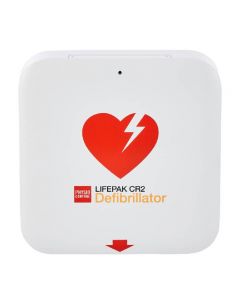
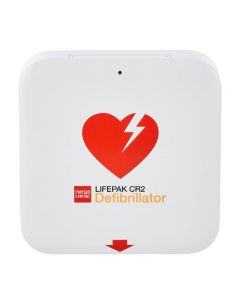
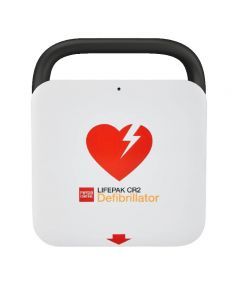 Physio Control LIFEPAK CR2 USB Semi Automatic Defibrillator with FREE Carry CaseOnly £1,194.00 £995.00
 -
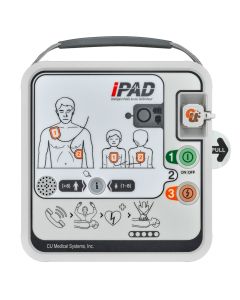
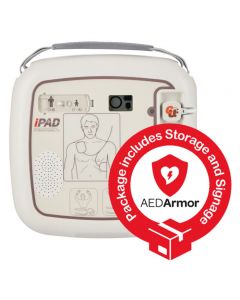 CU Medical Systems iPAD SP1 Semi Automatic Schools Package
From £1,256.40 £1,047.00
To £1,821.55 £1,517.96
-
-
-
-
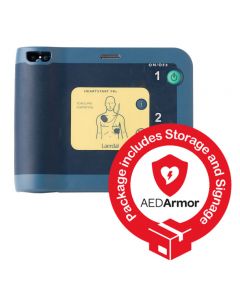
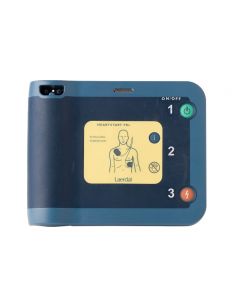 Philips HeartStart FRx Semi Automatic Defibrillator with Carry Case and Infant KeyOnly £1,494.00 £1,245.00
 -
-
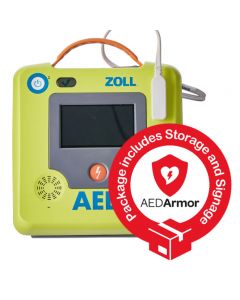
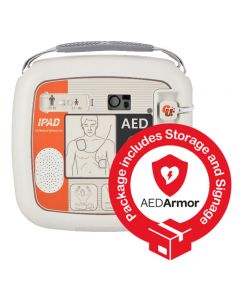 CU Medical Systems iPAD SP1 Fully Automatic with AED Armor Cabinet
From £1,608.00 £1,340.00
To £1,668.00 £1,390.00
-
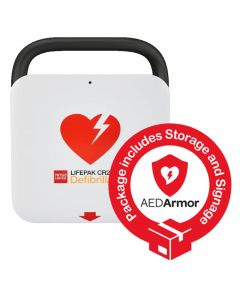 Physio Control LIFEPAK CR2 USB Semi Automatic Office Package
From £1,638.00 £1,365.00
To £1,789.16 £1,490.97
-
-
-
-
-
-
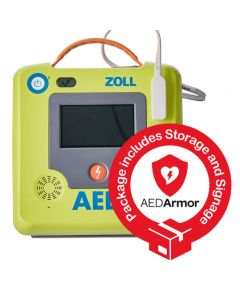
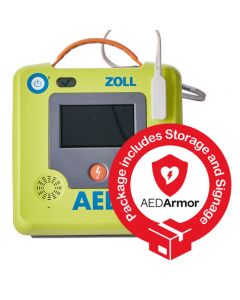
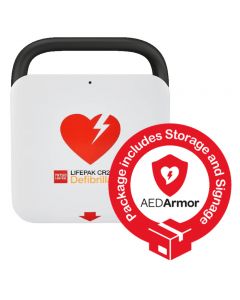 Physio Control LIFEPAK CR2 Semi Auto USB with Handle and AED Armor Cabinet
From £2,037.60 £1,698.00
To £2,097.60 £1,748.00
-
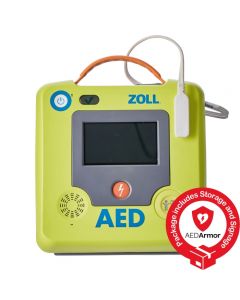
-
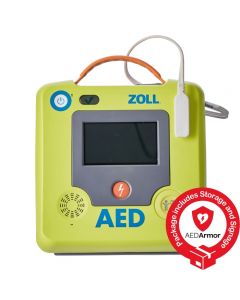
-
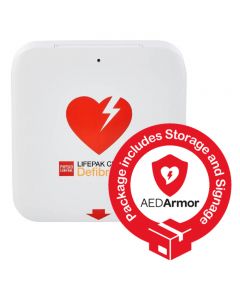 Physio Control LIFEPAK CR2 Fully Automatic WIFI with AED Armor Cabinet
From £2,204.40 £1,837.00
To £2,264.40 £1,887.00
Not what you’re looking for? Use our Product Finder
 Sudden Cardiac Arrest (SCA) does not discriminate and sadly, children also suffer.
A child switch lowers the Joule output from the defibrillator, making defibrillation safe for paediatric patients. Having a defibrillator with a child switch provides peace of mind that your device is ready for use on patients of all ages.
270 children suffer fatal SCA's in school, every year in the UK. Defibrillators are not a legal requirement, they are the only devices that help casualty's of SCA.
More Information
To learn more about Child Switch defibrillators, get in touch with our friendly & knowledgable team by calling 0161 776 7422. Alternatively, fill out our Contact Form and we'll respond to you as soon as possible.
+