
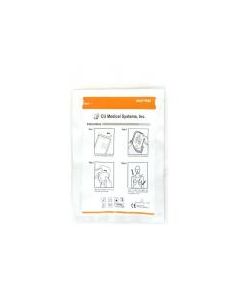
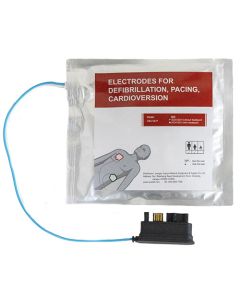
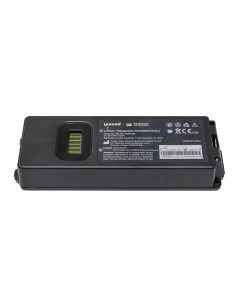
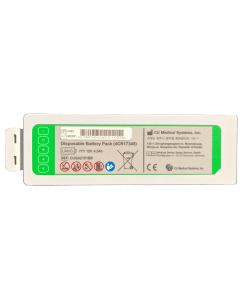
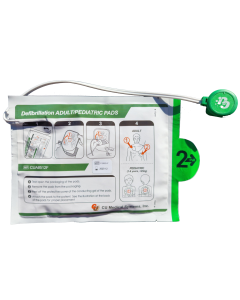
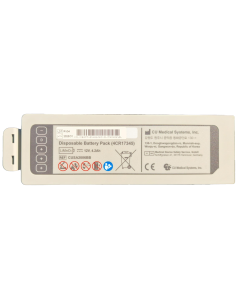
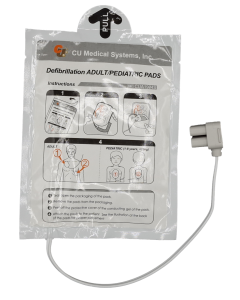
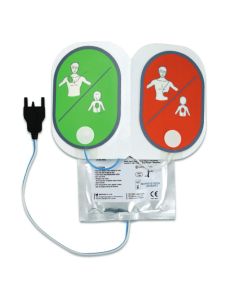
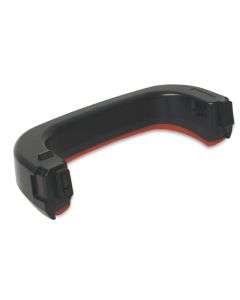
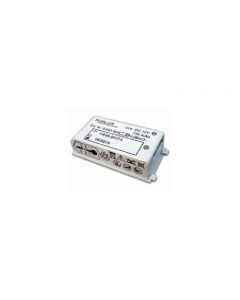
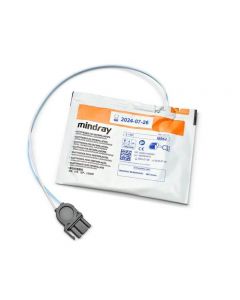
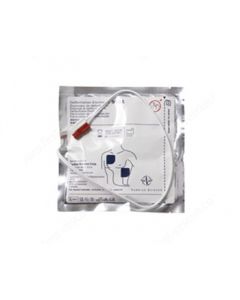
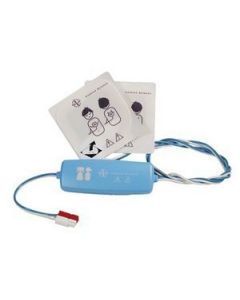
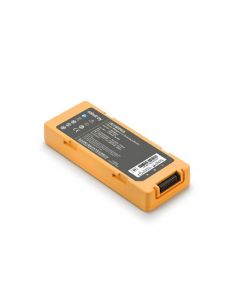
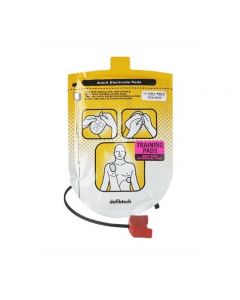
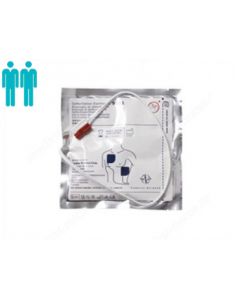
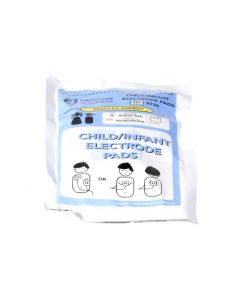
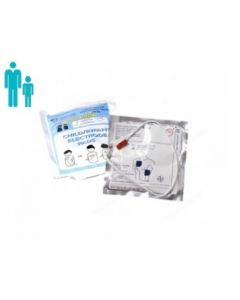
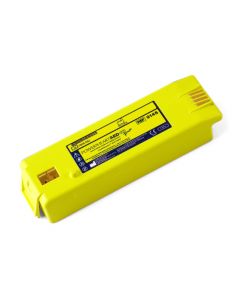
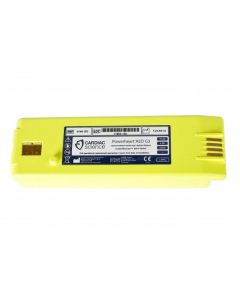
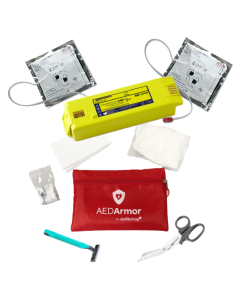
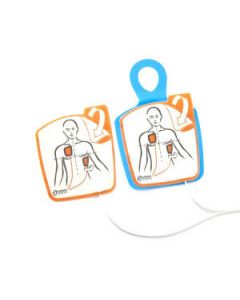
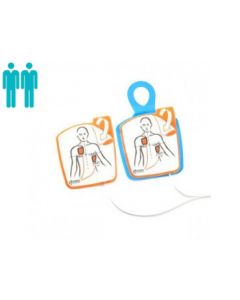
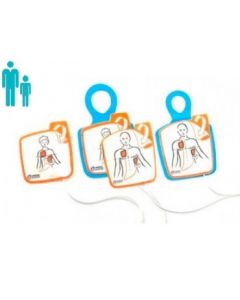
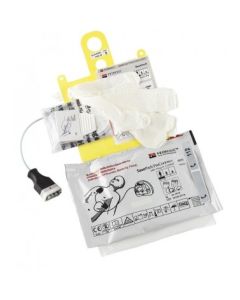
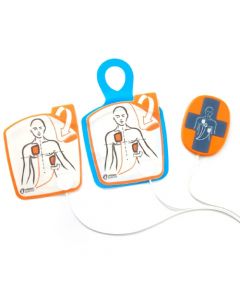
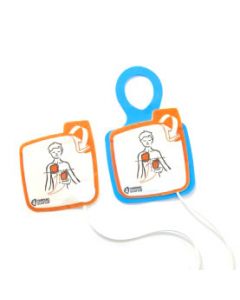
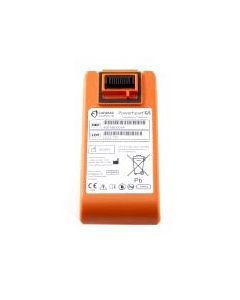
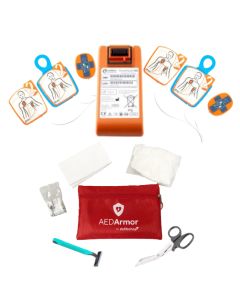
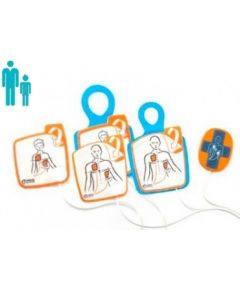
Pads and batteries are essential components that allow your defibrillator to provide life-saving treatment to a person in Sudden Cardiac Arrest (SCA).
SCA does not discriminate and can strike anyone at any time or place. A person in Sudden Cardiac Arrest loses 10% of their chance of survival for every minute that goes by without treatment. Providing treatment within 3-5 minutes increases the survival chance from 6% to 74%.
Why do electrode pads need replacing?
Electrode pads are responsible for delivering the shock from the defibrillator to the person in Sudden Cardiac Arrest. Electrode pads have a shelf life of 1-5 years depending on the make and model of your defibrillator.
If used beyond the expiration date, the gel covering the pads are likely to be ineffective in adhering to the skin to analyse the heart and deliver a shock if one is required.
Why does a defibrillator need a replacement battery?
Batteries have a shelf life of 2-7 years depending on the make and model of your defibrillator.
Batteries enable the unit to carry out regular self-tests to ensure your defibrillator remains in working order. Batteries also provide the power needed to deliver a potentially life-saving shock to a person in cardiac arrest.
More Information
Whether or not you have purchased your defibrillator or accessories from us previously, we can still remind you when your products are coming up for expiration when you register your expiry dates as part of our FREE Battery and Pad Reminder Service.
To learn more about our range of consumables, get in touch with our friendly & knowledgeable team by calling 0161 776 7422. Alternatively, fill out our Contact Us form and we'll respond to you as soon as possible.
How do you dispose of expired AED pads and batteries?
At Defibshop, we recommend recycling your old defibrillator unit and parts. Under the Waste Battery Regulations, we are able to do this for you. Either return the goods to our business premises or find your local waste portable battery recycling facility. Used or unused electrode pads without blood are not considered hazardous, so you may dispose of them with normal waste. It is recommended after disconnecting the pads from the defibrillator, the electrode wires must be cut to prevent reuse. Defibrillator batteries are recyclable. Like regular batteries, they can be disposed of at most collection bins for used batteries.
How often should a defibrillator battery and pad be replaced?
When purchasing a defibrillator the lifespan and cost of their batteries is something to be considered. The shelf cycle of a defibrillator battery depends on the make and model, but most need to be replaced every 4-7 years. Similar to batteries, AED electrode pads must be replaced after expiry or single-use. Most pads last 18-24 months but dates will vary depending on the manufacturer. Check the life expectancy of each make and model before purchase.
Should you need to replace the battery or electrode pads please contact defibshop’s customer care team and we will help you through the process.
What battery does a defibrillator use?
The batteries used in most defibrillators are lithium batteries. While rechargeable batteries are available for some AEDs, most manufacturers use non-rechargeable batteries.
Are defibrillator pads and batteries universal?
Unfortunately not, each manufacturer has their own proprietary means of attaching AED electrode pads to their AED devices, as well as their batteries. They are not interchangeable. Purchase only manufacturer-approved pads and batteries designed for their make and model of AED.
Who maintains defibrillator pads and batteries?
At defibshop, we offer a Battery and Pad Reminder service, to let you know when your products are coming up to their expiration dates. Whether or not you have purchased your defibrillator or accessories from us, you are able to register your expiry dates as part of this FREE service