
CPR Devices

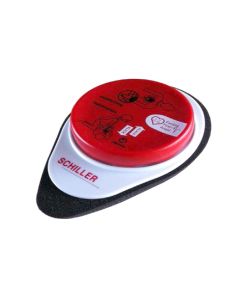
Devices to measure the chest compressions given in CPR and help improve depth and rhythm with each movement, maintaining consistency through quality feedback.

View as Grid List

3 Items

per page
Set Descending Direction
View as Grid List

3 Items

per page
Set Descending Direction

CPR devices assist the rescuer in performing high-quality CPR with the correct technique and compression depth. 

What is CPR?

CPR (Cardio Pulmonary Resuscitation) is the effective application of rhythmic force to the body of a casualty and is key to the process of generating blood flow around the body. This ensures the casualty receives oxygenated blood to the brain and vital organs and to maintain the heart in a shockable rhythm.

It is essential that the body’s organs receive oxygenated blood at all times or else they will shut down and the body will cease to function. Quality CPR allows the heart to maintain a shockable rhythm in the event that a defibrillator cannot be used immediately following a Sudden Cardiac Arrest.

Further questions?

If you have any further questions regarding CPR devices, you can give our friendly defibshop team a call on 0161 766 7422 or, alternatively you can fill out our contact form and we’ll get back to you as soon as we can.

FAQs

What is the optimum depth for chest compressions?

The optimum depth for chest compressions when delivering CPR is between 5-6cm (about 2-2.4 inches). Using the correct depth is crucial to delivering effective CPR to help maximise the chances of survival – too little depth delivers ineffective results, while too much depth can cause internal injuries.

How to give CPR to an adult

To perform CPR on an adult casualty, follow these steps:

  1. Make sure the scene is safe before approaching. 

  2. Check the casualty is responsive and call 999 if they are unconscious or are not showing any signs of breathing.

  3. Send a second bystander to retrieve the nearest defibrillator while you begin CPR.

  4. Place both hands interlocked in the centre of the casualty’s chest and push down hard and fast (between 5-6cm deep).

  5. Aim for 100-120 chest compressions per minute, allowing the chest to return upwards in between each one.

  6. Deliver 2 rescue breaths after every 30 compressions, by pinching the casualty’s nose and blowing steadily into the mouth.

  7. Continue cycles of CPR and rescue breaths until the defibrillator and/or emergency help arrives, or the casualty begins to show signs of consciousness.

What is the machine that does CPR?

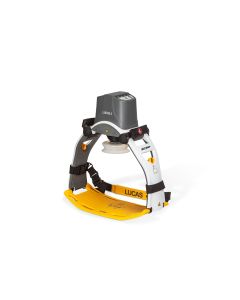
A CPR machine, also known as an automated chest compression device, is the machine that performs CPR. These machines work by providing consistent, continuous compressions and are often used by paramedics and other medical professionals to help ensure a higher standard of CPR delivery in emergencies, reducing the risk of human error.