
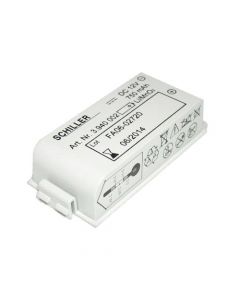
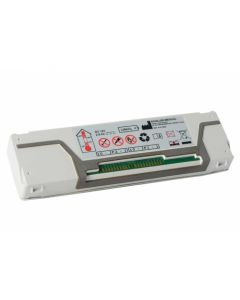
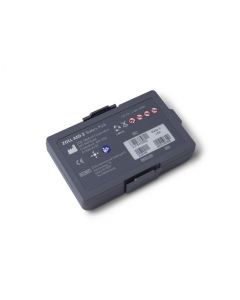

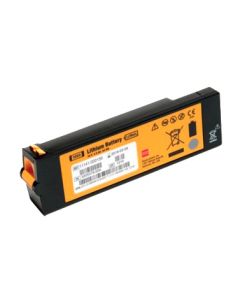
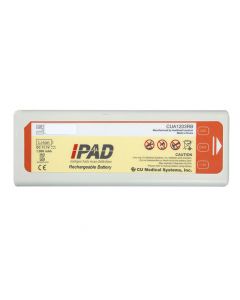
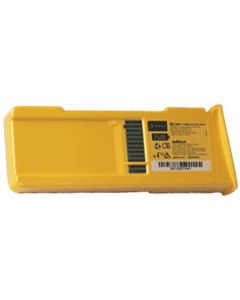
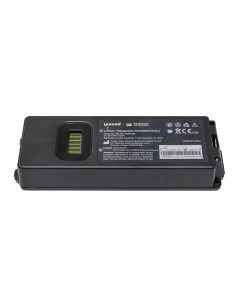
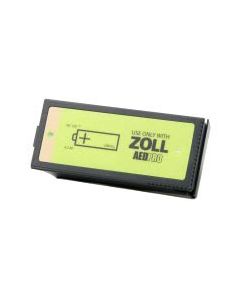
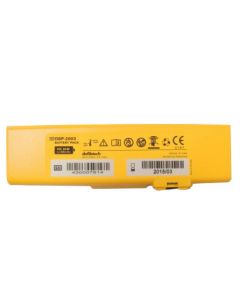
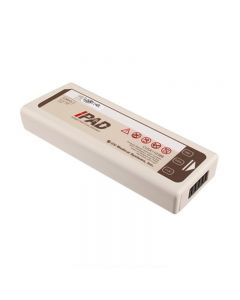
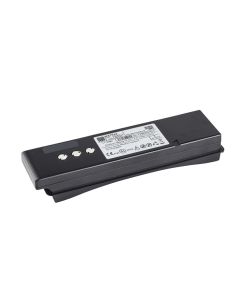
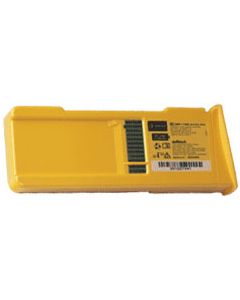
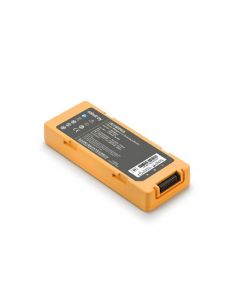
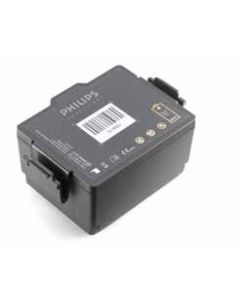
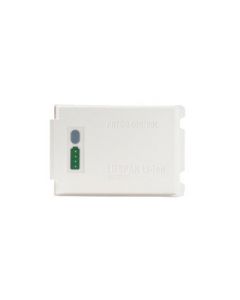
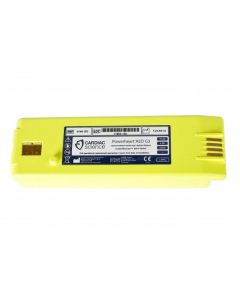
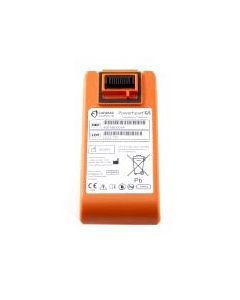
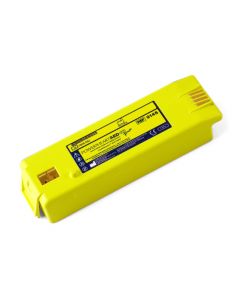
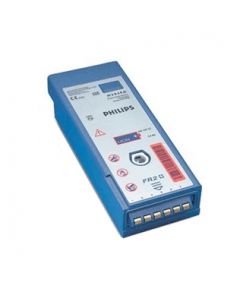
Why Replacing Defibrillator Batteries Matters
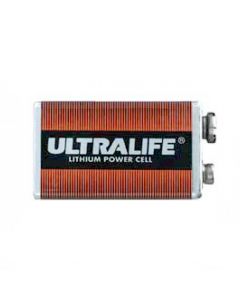
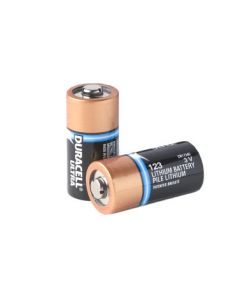
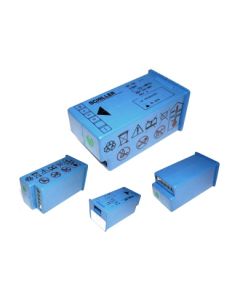
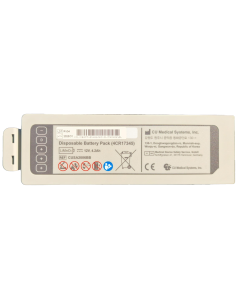
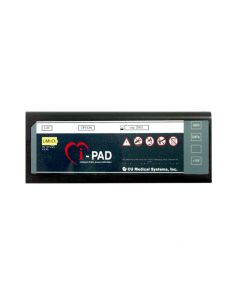
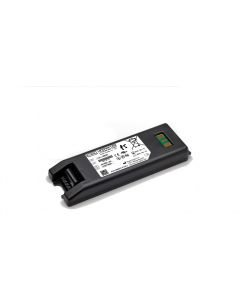
Like many battery-powered devices, Automated External Defibrillators (AEDs) require replacement batteries at regular intervals. Some AEDs feature rechargeable batteries that are charged using a compatible charger, but most models use non-rechargeable lithium-ion battery packs.
Replacing your defibrillator’s battery before it expires is a crucial part of defibrillator maintenance, ensuring your AED remains active and ready for use. Batteries have an expiry date printed on the unit and/or packaging, which indicates the replacement interval. This is usually 4–5 years depending on the model, unless your AED indicates a battery issue during a self-test.
Choosing the Right Defibrillator Battery
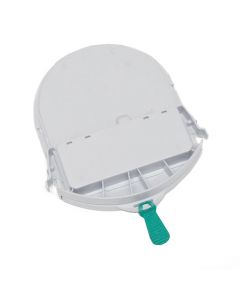
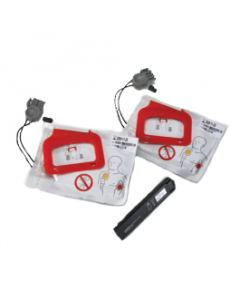
Defibrillator batteries are not universal. Each model requires a specific battery type, so it’s essential to order the correct replacement for your device. At defibshop, we supply a full range of manufacturer-approved batteries and electrode pads for all the defibrillators we offer.
If you're unsure which components you need, our expert team is available to guide you.
Our free battery and pad reminder service makes ordering the right replacements straightforward, with a reminder email sent to you 3, 2, and 1 months before your expiry dates. We also offer electrode pad and battery bundles allowing you to replace all essential components in one package.
Maintain Your Defibrillator at defibshop
At defibshop, we provide a range of services to help you keep your defibrillator in optimal condition. Our defibrillator servicing and maintenance contracts support ongoing readiness, ensuring your AED is always prepared to perform in an emergency.
Explore our maintenance options to stay compliant, extend device life, and maintain confidence in your emergency response.
More Information
For more information on defibrillator batteries, get in touch with our friendly and knowledgeable team by calling 0161 776 7422. Alternatively, fill out our Contact Us form and we’ll respond as soon as possible.
How long do defibrillator batteries last?
Defibrillator batteries normally come with a 4-5 year expiration. This is because the battery capacity depletes over time, especially if the defibrillator is used in an emergency. It’s important to replace your defibrillator battery before the expiry date to avoid gaps in operational readiness, and keep your AED available for use 24/7.
Are defibrillator batteries universal?
No. Defibrillator batteries are not universal, and each model requires a specific battery unit for compatibility. Ordering the correct replacement battery for your device is important to avoid any operational issues or errors when using your defibrillator in a time-sensitive emergency.
What should I do if my defibrillator indicates a battery issue?
If your defibrillator indicates a battery issue, it needs to be temporarily removed from service until this is resolved. Battery issues commonly occur when the battery level has depleted leaving it with insufficient power, or when it has expired. Other issues include the battery not being installed correctly, or an internal fault rendering the unit inoperable. First, check the display screen on your device (if applicable) to see if this provides any information on the error, before checking the user manual. Order a replacement battery if required and if this does not resolve the issue, have your defibrillator serviced by a qualified technician.
How often should I check my defibrillator’s battery?
To ensure operational readiness, check the battery daily by viewing your defibrillator’s status indicator. If this flashes green, this indicates that all essential components (including the battery and electrode pads) are correctly inserted and that your device is ready for use. If this flashes red, this confirms there is an issue with either the battery or another part of your device that needs addressing.
Do I still need to replace the battery if the AED remains unused?
Yes. Replacing your AED’s battery is important regardless of whether or not it is deployed in an emergency. The battery capacity slowly declines over time, including when the defibrillator is left unused in storage. If your defibrillator’s battery is nearing its expiration date, it’s time to order a replacement.
Does a defibrillator need a power supply?
No. Defibrillators do not require an external power supply, as they run on lithium-ion battery packs (usually non-rechargeable). This means that while you won’t require an external power source to power your device, you’ll need to ensure the battery remains within its expiry date and is fully functional.